



Celebrity gamblers What drives their risky bets
Celebrity gamblers What drives their risky bets
The Allure of Gambling in Celebrity Culture
Gambling has long been intertwined with celebrity culture, often glamorized in films and media. The allure of high-stakes betting draws attention not only for the thrill but also for the lifestyle that surrounds it. Celebrities often represent an aspirational lifestyle, and their gambling habits can make the activity appear both enticing and glamorous to their fans, especially when it comes to online casino slots.
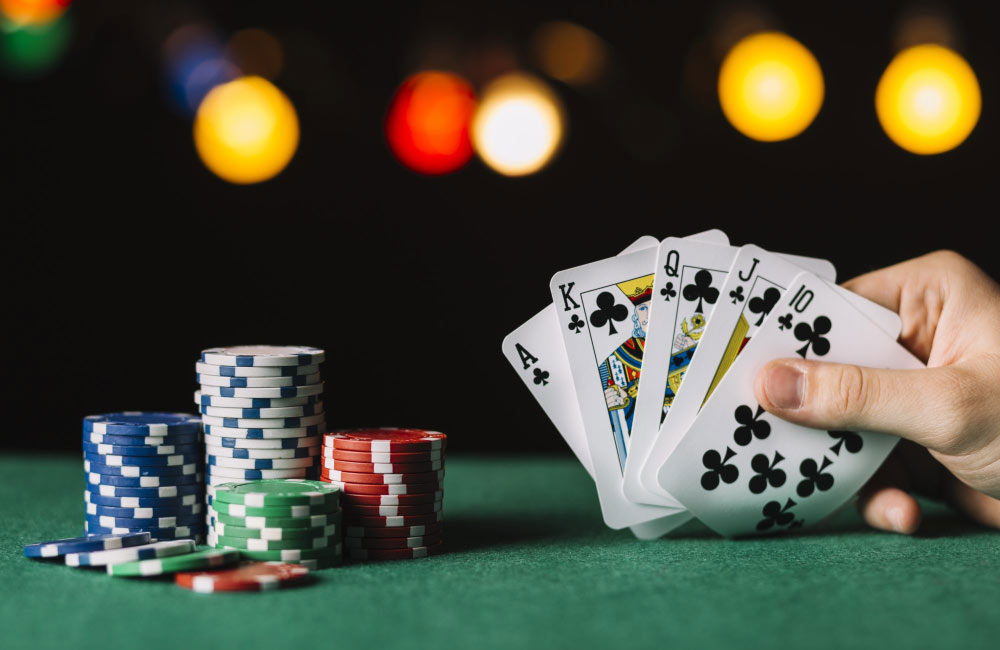
This intersection of fame and gambling raises questions about why some celebrities are drawn to risky bets. Many are accustomed to high-risk environments, whether in their careers or personal lives, making gambling an extension of their everyday thrill-seeking behavior. The stakes can be significantly high, and for many celebrities, the excitement of betting might feel like just another day in the limelight.
Psychological Factors Behind Risky Bets
The psychological profile of a celebrity gambler often includes a propensity for risk-taking and a desire for adrenaline. Many celebrities face immense pressure and scrutiny, leading them to seek out activities that provide an escape. Gambling can serve as a form of release, allowing them to temporarily forget their high-profile lives.
Additionally, the rush associated with winning can be exhilarating. For some, the risk of losing is overshadowed by the potential for significant rewards, both financial and social. This complex mix of thrill-seeking and the need for escape creates a perfect storm that drives celebrities to engage in risky betting behaviors.
The Influence of Social Circles
Social circles play a pivotal role in the gambling behaviors of celebrities. Surrounded by peers who may also indulge in high-stakes betting, many stars may feel pressure to conform or to outdo one another. This environment can foster an unhealthy competition, encouraging even more reckless gambling habits.
Furthermore, the influence of celebrity friendships can normalize gambling. When public figures openly discuss their bets or flaunt their wins and losses, it can create a perception that such behavior is typical. This peer validation can further propel the inclination towards gambling, blurring the lines between entertainment and reckless behavior.
The Impact of Public Image
For many celebrities, their public image is of utmost importance. Engaging in gambling can sometimes be seen as a way to enhance their persona, portraying them as adventurous and daring. However, this can be a double-edged sword; while some fans may admire their boldness, others may view their risky bets as irresponsible.
Moreover, the public’s fascination with celebrity lifestyles means that their gambling activities are often scrutinized. A celebrity’s gambling habits can lead to either a boost in popularity or criticism, impacting their careers and personal lives. This pressure adds another layer to their decision-making processes regarding gambling.

Understanding Gambling Restrictions and Awareness
While gambling can be an exhilarating pursuit for celebrities, it’s essential to acknowledge the implications of geographical restrictions on the activity. Various regions impose different laws regarding gambling, impacting access and participation. Awareness of these limitations can guide not only celebrities but also their fans in making informed choices.
Understanding these gambling restrictions can foster a culture of responsibility among celebrities and their followers. By recognizing that not everyone has the same access to gambling opportunities, the conversation around celebrity gambling can shift towards a more conscientious approach to risk and responsibility.